
Preparing Healthcare Teams for Crisis Situations Across All Service Lines
How Hospice, Palliative, and Home Health Providers Can Navigate Emergencies and Ensure Continuity of Care
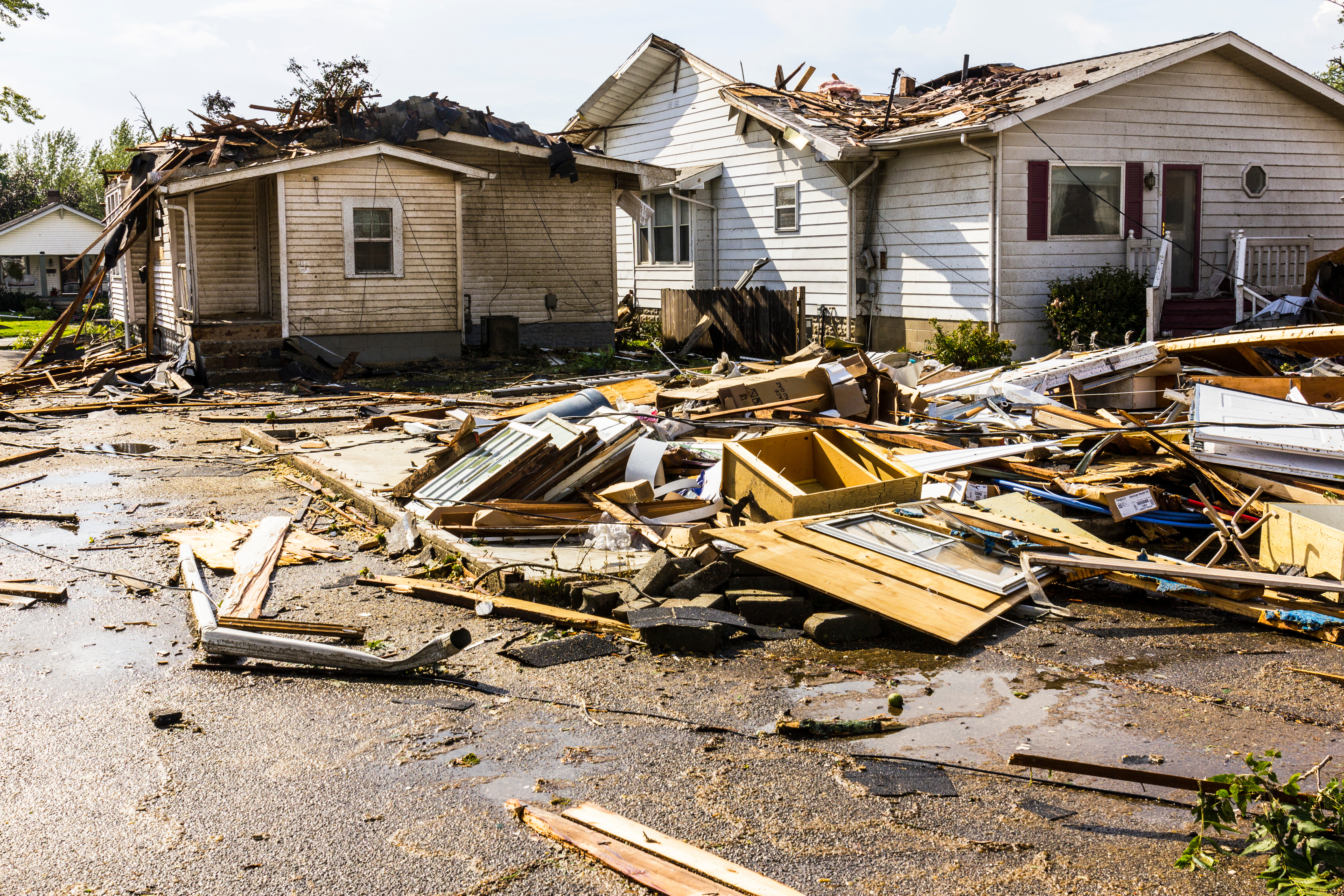
When crisis situations arise, whether due to natural disasters, public health emergencies, or unforeseen local events, the importance of healthcare does not waver. For providers across all service lines—hospice, palliative care, and home health—ensuring uninterrupted support for patients and families during challenging times requires careful planning, proactive strategies, and a resilient team. At Solaris Healthcare, we believe that preparation is the foundation of compassionate care, even in the face of crisis
Why Crisis Preparedness Is Essential for Healthcare Teams
Healthcare services, whether focused on hospice, palliative care, or home health, center on providing physical, emotional, and spiritual support to patients and their families. During emergencies, disruptions to this care can have profound effects, particularly for vulnerable patients. Ensuring continuity of care isn’t just about logistics—it’s about maintaining trust, dignity, and comfort during life’s most vulnerable moments.
Common Crisis Scenarios Impacting Healthcare
Natural Disasters:
Hurricanes, floods, wildfires, and winter storms can disrupt travel, communications, and access to care supplies.
Public Health Crisis:
Pandemics like COVID-19 challenge staffing, patient safety, and infection control protocols.
Utility Failures:
Power outages and water supply disruptions can affect medical equipment and patient comfort.
Community-Wide Events:
Large-scale accidents or local emergencies may require resource reallocation or coordination with first responders.
Key Steps to Prepare Healthcare Teams for Crises
1. Develop a Comprehensive Emergency Plan
Every healthcare provider should have a robust emergency preparedness plan that outlines:
- Communication Protocols: Ensure clear lines of communication between team members, patients, and families during crises.
- Evacuation Procedures: Have specific plans for evacuating patients, including transportation for those reliant on medical equipment.
- Supply Chain Strategies: Maintain backup inventories of critical medical supplies, medications, and equipment to prevent shortages.
2. Train and Educate Staff
Regular training ensures that hospice, palliative, and home health team members are equipped to respond effectively in crisis situations. Key areas to focus on include:
- Disaster response protocols.
- Infection control measures.
- Equipment operation during power outages (e.g., oxygen concentrators, ventilators).
Hosting mock drills can help teams practice emergency scenarios, identify gaps, and refine response plans.
3. Leverage Technology for Communication and Coordination
Telehealth and mobile health apps are invaluable during crises. These tools enable teams to:
- Conduct virtual check-ins with patients and families.
- Coordinate care among dispersed staff.
- Monitor patient needs remotely when in-person visits are limited.
4. Build Partnerships with Community Resources
Collaborating with local organizations, such as emergency management agencies, healthcare facilities, and transportation providers, ensures a more coordinated response. These partnerships can provide additional support for:
- Emergency shelter for patients and families.
- Backup transportation for essential care.
- Resource sharing during widespread disruptions.
5. Establish Patient-Centered Contingency Plans
For patients and families, knowing there is a plan in place provides peace of mind. Healthcare teams should:
- Create individualized emergency care plans for each patient.
- Educate families about operating medical equipment during outages.
- Ensure patients have access to backup power sources for life-sustaining equipment.
Lessons from Recent Crises
The COVID-19 pandemic highlighted the importance of adaptability and resilience in healthcare services across all lines. Key takeaways include:
- Enhancing Infection Control: Strict protocols protect both patients and staff during public health emergencies.
- Flexible Staffing Models: Cross-training staff ensures continuity when team members are unavailable.
- Leveraging Virtual Care: Expanding telehealth capabilities minimizes disruptions to patient care.
Natural disasters, such as Hurricane Ian, underscored the need for robust evacuation plans and strong community partnerships to address unexpected challenges.
The Role of Leadership in Crisis Preparedness
Effective leadership is crucial for guiding hospice, palliative, and home health teams through crises. Leaders should:
Leaders should:
- Foster a culture of readiness by prioritizing training and planning.
- Communicate transparently with staff, patients, and families during emergencies.
- Continuously evaluate and improve emergency protocols based on real-world experiences.
Preparing healthcare teams for crisis situations is essential to maintaining high-quality, compassionate care when it matters most. By developing robust emergency plans, training staff, leveraging technology, and building community partnerships, providers can navigate emergencies with resilience and confidence.
At Solaris Healthcare, we are committed to ensuring continuity of care for our patients and families, no matter the circumstances. By staying prepared, we can uphold our mission to provide comfort, dignity, and peace during life’s most challenging moments.
Share:
Search Resources
ADDITIONAL RESOURCES
LEARN ABOUT OUR CARE SERVICES:
PALLIATIVE CARE →
INDUSTRY TRUSTED


HAVE QUESTIONS?
WE’RE HERE TO HELP

